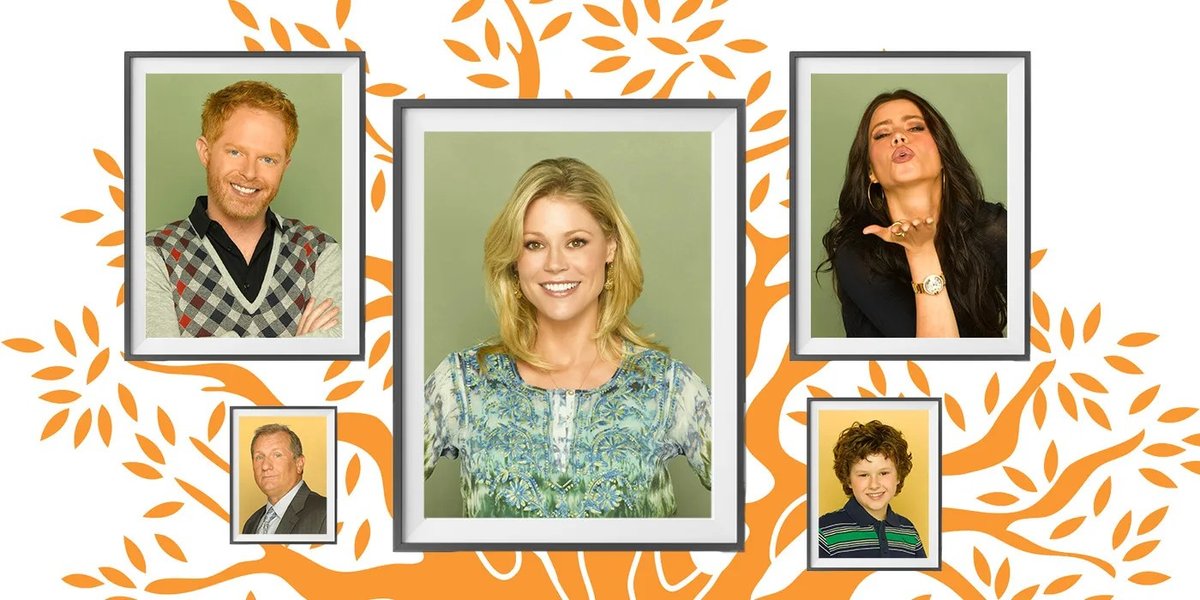
The year 2009 delivered more than just a new decade; it brought us a fresh take on the family sitcom, launching an enduring cultural phenomenon. Modern Family didn't just entertain; it redefined what a family could look like on television, blending humor with heart and consistently landing on the right side of progressive while keeping its universal appeal. Diving into the Modern Family Series Overview & Legacy, you’ll find a show that masterfully balanced laugh-out-loud comedy with poignant emotional beats, leaving an indelible mark on television history.
This wasn't just another sitcom; it was a mirror reflecting the evolving American family, albeit through a uniquely hilarious lens. From its groundbreaking mockumentary format to its diverse cast of characters, Modern Family offered an intimate, often chaotic, yet always loving portrait of interconnected lives that felt both aspirational and deeply relatable.
At a Glance: Why Modern Family Struck a Chord
- Innovative Mockumentary Style: The direct-to-camera interviews provided an intimate, often ironic, glimpse into characters' inner thoughts, setting it apart from traditional sitcoms.
- Diverse & Relatable Family Structure: Showcased a multi-generational, blended family, featuring a traditional couple, an interracial couple with a large age gap, and a gay couple with an adopted child, normalizing these dynamics.
- Masterful Blend of Humor & Heart: Consistently delivered sharp wit, physical comedy, and genuinely touching emotional moments without feeling saccharine.
- Iconic Characters: Phil Dunphy, Gloria Pritchett, Cameron Tucker, Jay Pritchett, and the entire ensemble became household names, beloved for their quirks and complexities.
- Critical Acclaim & Awards: Dominated the Emmy Awards for comedy for its initial run, cementing its status as a television powerhouse.
- Cultural Impact: Helped shift societal perceptions by presenting diverse family structures as ordinary and full of love, laughter, and everyday challenges.
- Enduring Legacy: Continues to resonate with new audiences through streaming, proving its themes of family, acceptance, and navigating life's absurdities are timeless.
Stepping into the Dunphy-Pritchett-Tucker World: The Mockumentary Magic
From its very first episode, Modern Family distinguished itself with its mockumentary format, a style popularized by shows like The Office. This wasn't just a stylistic choice; it became integral to the show's charm, allowing characters to break the fourth wall and offer personal asides, hilarious confessions, and often contradictory perspectives directly to the viewer. This technique deepened our understanding of their inner lives, adding layers to already well-developed characters.
Imagine Phil Dunphy, eternally optimistic and prone to cringe-worthy puns, explaining his "Phil's-osophy" directly to you, or Jay Pritchett, the gruff patriarch, reluctantly admitting a moment of sentimentality. These direct addresses weren't just funny; they fostered an intimate connection, making you feel like an honorary member of the family, privy to their most private thoughts and often their most embarrassing moments. This format allowed for subtle character nuances that might have been lost in a traditional sitcom, adding an extra dimension to both the comedy and the drama.
A Family Tree That Grew Beyond Expectations: Character Arcs and Dynamics
At its core, Modern Family revolved around three interconnected households: the traditional Dunphys, the blended Pritchett-Delgados, and the gay Pritchett-Tuckers. Over eleven seasons, we watched these characters grow, stumble, and evolve, facing everything from adolescence and career changes to marital challenges and the realities of aging.
The Dunphys: Phil, Claire, Haley, Alex, and Luke
The Dunphy household, led by the perpetually enthusiastic Phil and the often-overwhelmed Claire, was the epitome of suburban chaos. Phil, a real estate agent and "cool dad" wannabe, often brought the physical comedy and an unwavering optimism. Claire, the high-strung but loving matriarch, was the grounding force, navigating her own professional ambitions while wrangling three very different children.
- Haley: Started as the stereotypical ditzy popular girl but matured into a capable young woman, finding love and becoming a mother herself.
- Alex: The brilliant, sarcastic middle child, she grappled with academic pressures and social awkwardness before finding her footing in her career and relationships.
- Luke: The lovable, often dim-witted youngest, who somehow always found himself in absurd situations, eventually growing into a surprising entrepreneurial spirit.
Their journey was a relatable one for many families, showcasing the challenges and triumphs of parenting teenagers and watching them find their paths.
The Pritchett-Delgados: Jay, Gloria, and Manny & Joe
Jay Pritchett, the self-made closet magnate, was the grumpy but ultimately warm patriarch who found unexpected joy in his second marriage to the vivacious, younger Gloria from Colombia, and becoming a stepfather to her theatrical son, Manny.
- Gloria: With her fiery spirit, thick accent, and boundless love, Gloria challenged Jay's old-school notions and brought vibrant energy to the entire family. Her fierce protectiveness and distinctive approach to life often led to some of the show's most iconic moments. You can explore more about her character and influence in Modern Family with Sofia Vergara.
- Manny: Gloria's highly sensitive, philosophical, and often melodramatic son, who consistently marched to the beat of his own drum, pursuing artistic passions and intellectual endeavors.
- Joe: Jay and Gloria's youngest, a mischievous child who often provided an unexpected dose of reality and humor, often mirroring Jay's stubbornness.
This household explored themes of cultural integration, age differences in relationships, and the joys of blended families, showing how love can bridge any divide.
The Pritchett-Tuckers: Mitch, Cam, and Lily
Mitchell Pritchett, Jay's lawyer son, and Cameron Tucker, the flamboyant and theatrical stay-at-home dad, along with their adopted Vietnamese daughter, Lily, were groundbreaking. Their relationship normalized same-sex marriage on prime-time television for a mass audience, demonstrating their love, their everyday struggles, and their dreams were no different from any other couple.
- Mitch: The more reserved and pragmatic of the two, often finding himself exasperated by Cam's dramatic flair.
- Cam: The emotional, often over-the-top personality, bringing musical numbers, elaborate schemes, and a heart of gold to every situation.
- Lily: Their deadpan daughter, whose quick wit and sarcastic observations grew sharper with age, often stealing scenes with a single glance.
Their story was a testament to evolving societal norms and the universal desire for love, family, and acceptance, pushing boundaries with warmth and humor rather than overt preachiness.
Breaking Barriers, One Laugh at a Time: Cultural Impact and Progressiveness
Modern Family arrived on the television landscape at a crucial time, subtly yet effectively pushing the boundaries of what a mainstream sitcom could be. Its portrayal of Mitch and Cam's same-sex marriage, their adoption of Lily, and their journey as parents was revolutionary for a primetime network show. They were never tokens; they were fully fleshed-out characters whose struggles and joys resonated universally, helping to normalize LGBTQ+ relationships for millions of viewers across America and beyond.
Beyond just the LGBTQ+ representation, the show celebrated a multi-ethnic, multi-generational blended family. Gloria's Colombian heritage was a constant source of humor and cultural insight, challenging stereotypes and showcasing the richness a different background can bring to a family. The dynamic between Jay, Gloria, and Manny explored themes of cultural understanding, acceptance, and the beautiful complexities of forming a new family unit from disparate parts. The show made diversity feel not just normal, but utterly delightful, proving that love and laughter truly transcend traditional definitions of family.
Heart and Humor: The Show's Enduring Formula
What truly cemented Modern Family's place in television history was its impeccable balance of laugh-out-loud comedy and genuine emotional depth. The writers were masters at weaving together absurd situations with heartfelt moments, often within the same scene. One moment you'd be roaring with laughter at Phil's latest parenting mishap or Cam's theatrical outburst, and the next, you'd find yourself tearing up at a heartfelt confession or a touching moment of family solidarity.
This formula wasn't accidental; it was carefully crafted. The humor often stemmed from the characters' inherent flaws and relatable quirks, making them feel real. The emotional beats, conversely, felt earned because we genuinely cared about these characters. The show understood that true family life is a mix of the ridiculous and the profound, and it depicted both with equal sincerity. Whether it was a grand gesture of love or a quiet moment of understanding, Modern Family always reminded us that beneath the surface of everyday chaos, there was an unbreakable bond.
The Farewell Season and the "Legacy" Episode: A Fond Goodbye
As Modern Family drew to a close with its eleventh season, the challenge was to provide a fitting send-off for characters who had become like family to viewers. The penultimate episode, "Legacy," offered a beautiful, poignant look at the passing of time, the importance of family history, and the quiet ways we leave our mark on each other. Aired on January 15, 2020, it deftly wove together multiple storylines that touched on these themes.
Phil's Heartfelt Farewell to Frank:
One of the most touching narratives centered on Phil Dunphy's visit to his father, Frank, in Florida after receiving concerning news. Their day together, spent reminiscing about a giant penguin—a whimsical detail that perfectly encapsulates Phil's spirit—culminated in a car breakdown and a reflective hitchhike. Phil used the opportunity to ask Frank if he regretted not having another child to take over his business. Frank's answer, defining his business as "keeping things light and fun," was a profound moment, effectively passing the torch of his philosophy to Phil. The revelation that this was their last day together, as Frank passed away soon after, imbued Phil's subsequent eulogy and the touching gesture of making giant penguin footprints on the beach with deep emotional resonance. It was a beautiful, understated exploration of grief, remembrance, and how we honor those who shaped us.
Jay's Hidden Sacrifices Revealed:
Meanwhile, Jay gave Claire and Mitch cherished childhood memorabilia, including an old Atari. This sparked a re-evaluation of their first family vacation story. They had long believed Jay cut it short and bought them the Atari as compensation for his selfishness. Though Jay initially denied it, evidence surfaced proving them wrong. The true revelation was heartwarming: Jay had ended the vacation early to work nights as a bartender, secretly saving money to fund his burgeoning closet business. This moment offered a new perspective on Jay's often gruff exterior, revealing the depth of his unspoken sacrifices for his family, a revelation they expressed profound appreciation for at Frank's wake. It underscored a core theme of the show: understanding and appreciating the complex histories that bind families.
Joe's Budding Business Acumen:
Jay also attempted to initiate young Joe into the dog bed sales business. To Jay's surprise, Joe proved to be an exceptionally gifted seller, not only securing a sale but also cleverly convincing Jay to get another dog. This storyline was a testament to the show's belief in unexpected talents and the joy of seeing the next generation flourish. Jay's subsequent reflection that Joe's success was one of his greatest achievements in later life, far more significant than the dog bed business itself, offered a sweet, poignant moment of a patriarch finding pride in his legacy through his children.
Manny's Grand Gesture and Family Shenanigans:
In a lighter, yet equally character-driven arc, Manny spotted Brenda Feldman at the mall, the subject of a love poem he wrote a decade prior. Gloria, ever the pragmatist, advised against a grand gesture, while Cameron, ever the romantic, helped Manny secure a date. Cameron's own rivalry with a prestigious teaching award winner escalated, leading Gloria to hilariously embarrass the rival. As a reciprocal act of familial loyalty, Cameron, Manny, and Lily donned ridiculous "yokel" disguises to sabotage a house sale for Gloria's rival realtor, showcasing the family's enduring solidarity and capacity for delightful mischief, even in the twilight of the series.
Together, these storylines in "Legacy" perfectly encapsulated the show's ability to blend humor with genuine emotion, reflecting on the past while looking towards the future, and affirming the unbreakable bonds of the Dunphy-Pritchett-Tucker clan.
Modern Family's Lasting Cultural Footprint
The legacy of Modern Family extends far beyond its impressive collection of awards. It fundamentally altered the landscape of television comedy, proving that a show could be both broadly appealing and subtly progressive. It championed diverse family structures not as a novelty, but as an undeniable part of modern life, paving the way for more inclusive representations across media.
The show taught us that family isn't about fitting a specific mold, but about love, resilience, and learning to navigate life's endless quirks together. Its rewatchability is a testament to its timeless humor and universal themes. Years from now, viewers will still tune in to watch Phil's latest magic trick, Gloria's spirited pronouncements, or Mitch and Cam's latest dramatic entanglement, finding comfort and laughter in their familiar, beloved faces. Modern Family made the "modern" family feel like everyone's family.
Common Questions About the Dunphy-Pritchett Clan
You might have a few lingering questions after eleven seasons of laughter and tears. Here are some of the most common ones:
Why did Modern Family end?
After eleven successful seasons, the creators and network felt it was the right time to conclude the story. The cast had grown up on screen, and the writers felt they had explored the main character arcs thoroughly. Ending on a high note allowed them to craft a meaningful and emotional farewell rather than letting the quality dwindle.
Is Modern Family still relevant today?
Absolutely. While some references might feel dated, the core themes of family dynamics, acceptance, identity, and the challenges of growing up and growing old are timeless. The show's progressive portrayal of diverse families remains a significant part of its enduring relevance, and its humor continues to resonate with new generations discovering it through streaming.
Who was the funniest character on Modern Family?
This is highly subjective! Many would argue Phil Dunphy, with his physical comedy and "Phil's-osophies," takes the cake. Others might champion Gloria's fiery one-liners, Cam's dramatic flair, or Lily's deadpan sarcasm. The ensemble nature of the show meant that nearly every character had their moments of comedic brilliance.
What made the mockumentary style so effective?
The direct-to-camera interviews allowed for an intimate connection with the characters, revealing their inner thoughts and often providing hilarious contrasts between what they said and what they did. It added an extra layer of irony and insight, making the audience feel like confidantes rather than mere observers.
Why Modern Family Will Always Feel Like Home
Modern Family wasn't just a sitcom; it was a weekly invitation into a home where love, laughter, and occasional chaos reigned supreme. It taught us that family is a tapestry woven from diverse threads, strengthened by shared experiences, and bound by an unbreakable, albeit sometimes exasperating, affection. Its impact on television and culture is undeniable, leaving behind a legacy of groundbreaking humor, heartfelt storytelling, and a profoundly human understanding of what it means to belong.
So, whether you're revisiting old episodes or discovering the Dunphy-Pritchett-Tucker clan for the first time, you're not just watching a TV show. You're stepping into a world that, despite its quirks, feels comfortingly familiar—a reminder that in the grand, messy adventure of life, family is truly everything. And that's a legacy worth celebrating.